
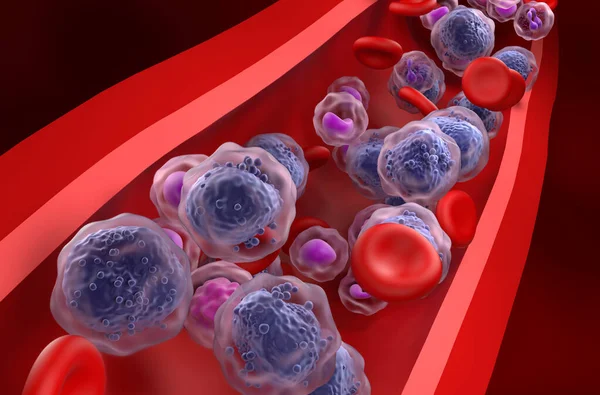
Multiple Myeloma
is a hematologic malignancy that affects the bone marrow

What it is (1)
Multiple myeloma is a hematologic malignancy that affects the bone marrow and is caused by the uncontrolled proliferation of abnormal plasma cells. It occurs mainly in individuals over the age of 60 and is more common in men. It accounts for approximately 1% of all malignancies and about 10% of hematologic cancers.
Epidemiological data in Greece (2)
According to Globocan data, in 2022 in Greece there were:
763 new diagnoses of multiple myeloma
579 deaths attributed to the disease
Five-year prevalence: 2,154 individuals (20.9 per 100,000 population)
The disease is rare in individuals under 40 years of age and affects men more frequently than women.
Pathogenesis (3)
Multiple myeloma originates from mutated plasma cells, which are specialized white blood cells responsible for antibody production. In this disease, abnormal plasma cells produce excessive amounts of monoclonal antibodies and proliferate uncontrollably.
The exact cause of the mutation remains unknown. However, the disease is characterized by monoclonal proliferation of identical abnormal cells that infiltrate the bone marrow and cause extensive bone damage.
The disease usually affects multiple bones. When it is confined to a single lesion, it is called a plasmacytoma and often represents an early stage of the disease.
Symptoms (3)
The most common symptom is bone pain, particularly in the spine, ribs, and pelvis. Other symptoms include severe fatigue, general malaise, fever, and night sweats.
Patients often develop pathological fractures due to bone weakening caused by osteolytic lesions. Fractures of the spine are particularly common.
Additionally, patients may present with: hypercalcemia, anemia, recurrent infections, renal dysfunction.
Diagnosis (3)
Diagnosis is based on a combination of: imaging studies (X-rays, MRI, PET), blood and urine tests (monoclonal proteins, anemia, hypercalcemia), bone marrow biopsy.
Treatment (3)
Therapeutic management is guided by disease characteristics and patient factors, aiming to achieve disease control, minimize morbidity, and extend overall survival.
Literature
- Dimopoulos, M.A. et al. (2025) EHA–EMN evidence-based guidelines for diagnosis, treatment and follow-up of patients with multiple myeloma, Nature News. Available at: https://www.nature.com/articles/s41571-025-01041-x (Accessed: 24 December 2025).
- Statistics at a glance, 2022 top 5 most frequent cancers number of new cases. Available at: https://gco.iarc.who.int/media/globocan/factsheets/populations/300-greece-fact-sheet.pdf (Accessed: 24 December 2025).
- European Society for Medical Oncology. Available at: https://www.esmo.org/guidelines/esmo-clinical-practice-guideline-multiple-myeloma (Accessed: 24 December 2025).