
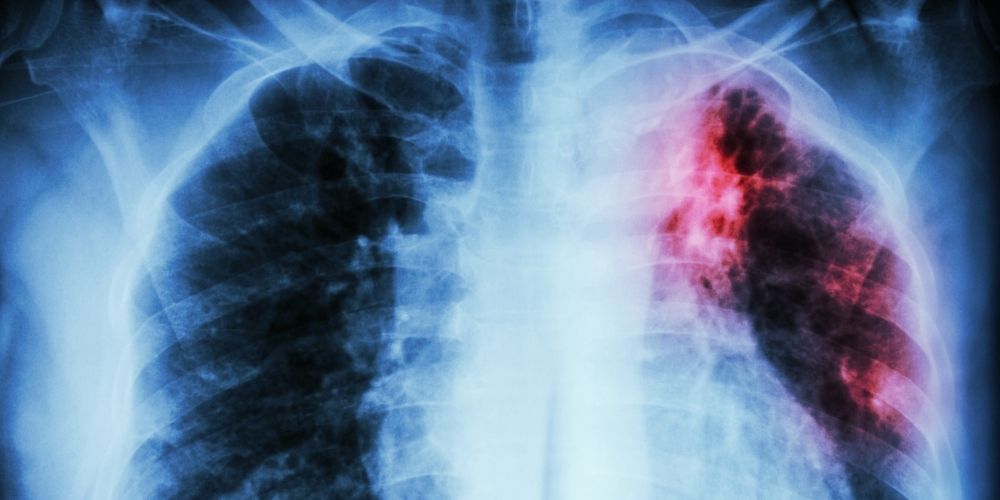
Pulmonary fibrosis
is a chronic and progressive lung disease that belongs to the broader group of interstitial lung diseases.

Pulmonary fibrosis is a chronic and progressive lung disease that belongs to the broader group of interstitial lung diseases. It causes gradual thickening and stiffening of the lung tissue through the formation of scar tissue (fibrosis) within the lung parenchyma. The disease may develop for various reasons, while in many cases the exact cause remains unknown; in such instances, it is referred to as idiopathic pulmonary fibrosis (IPF).
What is pulmonary fibrosis?
The progression of the disease varies from patient to patient. In some individuals, deterioration is slow, while in others it may progress more rapidly.
Symptoms of pulmonary fibrosis
The most common symptoms include:
Shortness of breath, especially during physical activity.
Persistent dry cough.
Fatigue and reduced exercise tolerance.
Unexplained weight loss.
Muscle and joint pain.
Digital clubbing (enlargement of the fingertips).
Symptoms typically worsen gradually over time.
Causes and risk factors
Pulmonary fibrosis may be associated with:
Environmental and occupational factors:
Exposure to metal or wood dust.
Inhalation of asbestos or silica.
Exposure to bird droppings or mold.
Drug-related factors:
Certain medications, such as some chemotherapy agents or antiarrhythmic drugs, have been linked to the development of pulmonary fibrosis.
Autoimmune diseases: Conditions such as:
Rheumatoid arthritis.
Systemic lupus erythematosus.
Scleroderma.
Polymyositis.
In many cases, no specific cause is identified, and the disease is classified as idiopathic pulmonary fibrosis.
How is it diagnosed?
Diagnosis is based on a combination of tests, such as:
Detailed medical history and physical examination.
High-resolution computed tomography (HRCT).
Pulmonary function tests.
Oxygen saturation measurement.
Blood tests to rule out autoimmune diseases.
Bronchoscopy or lung biopsy in selected cases.
Treatment options
Although lung scarring cannot be reversed, there are therapeutic interventions that can slow disease progression and improve quality of life.
Daily disease management
Complete smoking cessation
Regular physical activity according to the patient’s capacity
Balanced diet
Vaccination against influenza and pneumococcus
Prevention of respiratory infections
Regular follow-up with a pulmonologist
When should you see a doctor?
Persistent shortness of breath or a chronic dry cough that does not resolve should not be ignored. Early diagnosis may allow timely treatment and help slow disease progression.
Conclusion
Pulmonary fibrosis is a serious but manageable chronic lung disease. Early recognition of symptoms, accurate diagnosis, and individualized treatment can significantly contribute to preserving lung function and improving patients’ quality of life.
Literature
Mayo Clinic Staff (2024) Pulmonary fibrosis: Symptoms and causes. Mayo Clinic. Available at: https://www.mayoclinic.org/diseases-conditions/pulmonary-fibrosis/symptoms-causes/syc-20353690