
Multiple sclerosis
is a chronic autoimmune neurological disease that affects the central nervous system

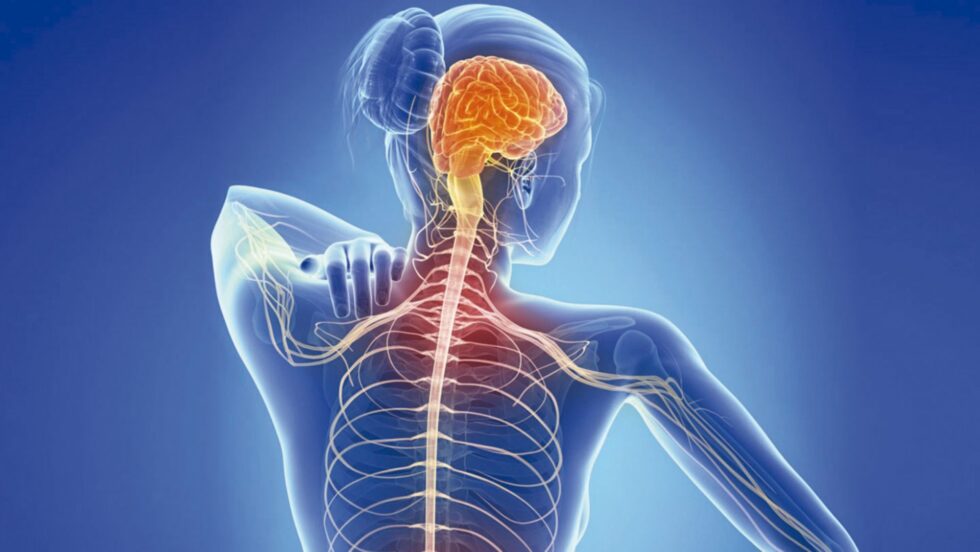
Multiple sclerosis (MS) is a chronic autoimmune neurological disease that affects the central nervous system, namely the brain and the spinal cord. The disease is caused by damage to myelin, the protective sheath surrounding nerve fibers, resulting in impaired transmission of nerve signals.
Although there is no definitive cure, modern therapeutic options can slow disease progression, reduce relapses, and significantly improve patients’ quality of life.
Most common symptoms
The course of the disease varies from person to person and may be characterized by periods of relapses and remissions or by gradual progression of symptoms.
Symptoms depend on the area of the nervous system affected and may include:
Numbness or tingling sensations
Muscle weakness
Difficulty walking and maintaining balance
Severe fatigue
Visual disturbances such as blurred or double vision
Dizziness or vertigo
Memory and concentration problems
Bladder or bowel dysfunction
Mood changes
In many cases, symptoms occur in relapses lasting from a few days to several weeks and then partially or completely subside.
Risk factors
Although the exact cause of the disease is unknown, several factors have been identified that are associated with an increased risk:
Age between 20 and 40 years
Female sex
Family history of multiple sclerosis
Epstein–Barr virus infection
Low vitamin D levels
Obesity
Smoking
Presence of other autoimmune diseases
Types of the disease
Multiple sclerosis is classified into different types:
Relapsing-remitting MS (RRMS)
The most common form, characterized by periods of relapses followed by periods of remission.
Secondary progressive MS
Occurs in some patients after years of relapsing-remitting disease and is associated with gradual worsening of mobility and neurological function.
Primary progressive MS
Characterized by continuous worsening from disease onset without clear relapses.
Diagnosis
There is no single test that confirms the diagnosis. Evaluation is based on:
Detailed medical history
Neurological examination
Magnetic resonance imaging (MRI) of the brain and spinal cord
Cerebrospinal fluid analysis
Laboratory tests to rule out other conditions
Treatment options
Although there is no definitive cure, treatment of multiple sclerosis focuses on three main approaches:
Treatment of relapses
Corticosteroids are used to reduce inflammation and speed recovery. In severe cases, plasma exchange may be applied.
Disease-modifying therapy
More than 20 approved medications are available that help reduce relapses and the formation of new lesions in the nervous system.
Symptomatic treatment
Physiotherapy, occupational therapy, and targeted medications can significantly improve function and daily living.
Role of daily habits
According to Mayo Clinic, certain lifestyle habits may help manage symptoms:
Regular physical activity
Adequate sleep
Maintaining a healthy body weight
Mediterranean diet
Smoking cessation
Stress management through relaxation techniques, yoga, or meditation
Conclusion
Multiple sclerosis is a complex neurological disorder with a highly variable course in each patient. Early diagnosis, individualized treatment, and close monitoring by a specialized medical team can contribute to effective disease control and the maintenance of a good quality of life.
Literature
Mayo Clinic Staff (2024) Multiple sclerosis: Symptoms and causes. Mayo Clinic. Available at: https://www.mayoclinic.org/diseases-conditions/multiple-sclerosis/symptoms-causes/syc-20350269