
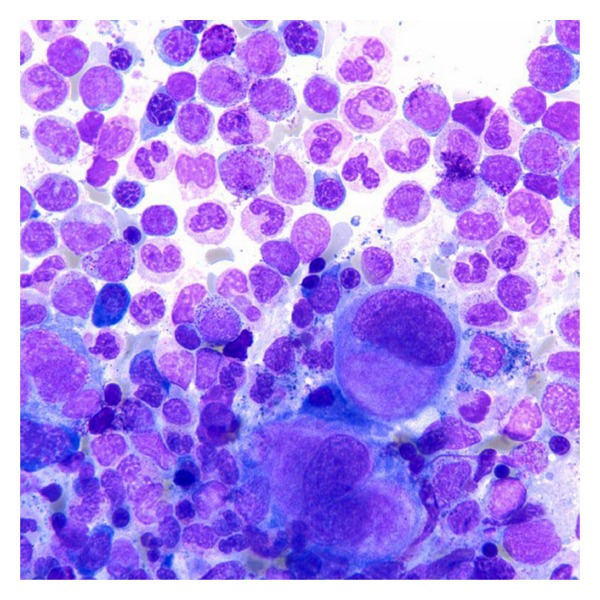
ITP: Autoimmune Τhrombocytopenia
Is an autoimmune hematological disorder characterized by a low number of platelets in the blood

What it is 1
Idiopathic Thrombocytopenic Purpura (ITP) is an autoimmune hematological disorder characterized by a low number of platelets in the blood, leading to an increased risk of bleeding. It is caused by immune-mediated destruction of platelets, as well as impaired platelet production in the bone marrow.
The disease can occur in all age groups. In children, it is often acute and self-limiting, while in adults it more commonly presents as a chronic condition. ITP is not contagious and is not considered a malignancy; however, it can significantly affect patients’ daily lives.
Epidemiological data 2
ITP is considered a rare disease. The annual incidence in Europe is estimated at approximately:
2–5 new cases per 100,000 adults
3–6 cases per 100,000 children
The chronic form of the disease occurs more frequently in adults, with a slightly higher incidence in women, particularly at younger ages.
Pathogenesis 3
ITP results from dysfunction of the immune system, which produces autoantibodies that target platelets. This leads to their increased destruction, mainly in the spleen.
At the same time, platelet production by megakaryocytes in the bone marrow is also affected. The exact cause that triggers this autoimmune response remains unknown, although in some cases it is associated with infections or other immunological factors.
Symptoms 3
The clinical presentation varies widely. Many patients may be asymptomatic, while others present with bleeding manifestations such as:
Petechiae (small red spots on the skin)
Ecchymoses (bruises)
Bleeding from the gums or nose
Prolonged bleeding after injury
In more severe cases, internal bleeding may occur, although this is less common.
Diagnosis 3
The diagnosis of ITP is mainly based on excluding other causes of thrombocytopenia.
It includes:
Blood tests (platelet count)
Clinical evaluation and medical history
In some cases, bone marrow examination
Treatment 3
The therapeutic approach is individualized, depending on disease severity, symptoms, and bleeding risk.
The main goals of treatment are:
Increasing platelet levels
Preventing bleeding episodes
Improving patients’ quality of life
Available options include corticosteroids, immunoglobulins, and newer targeted therapies that affect platelet production and immune system function.
Literature
- American Society of Hematology. ASH Clinical Practice Guidelines on Immune Thrombocytopenia.
- European Hematology Association. EHA Guidelines for the Management of Immune Thrombocytopenia.
- Blood. Neunert C, et al. Immune thrombocytopenia: pathophysiology and management